
7 Proven Tips to Build the Perfect Diet for Hormonal Health in Women
Diet for Hormonal Health in Women: A Complete, Practical Guide
A friendly, evidence-informed plan for what to eat, what to avoid, and simple lifestyle steps for better hormone balance.
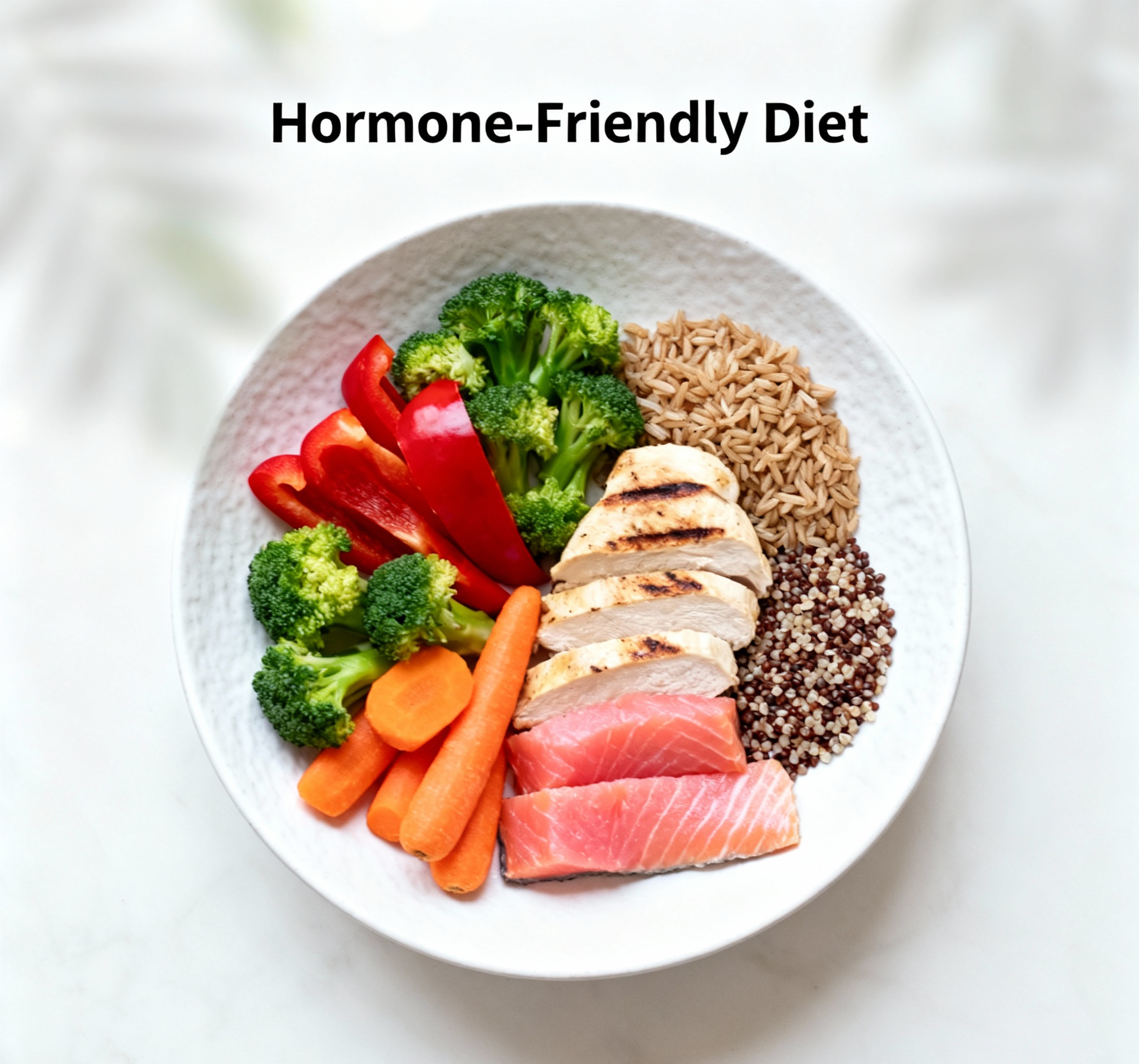
Hormones quietly shape so much of daily life — your energy, mood, sleep, skin, and even how your body stores weight. If you’re searching for a reliable diet for hormonal health in women, you’re in the right place. This guide breaks down the most useful foods, what to limit, a one-day meal plan, and lifestyle tips that actually help hormone balance — all written in a practical, friendly tone.

Why a Diet for Hormonal Health in Women Matters
Think of your body as a complex chemistry set. Hormones like estrogen, progesterone, insulin, and cortisol rely on nutrients, sleep, and stress levels to stay in balance. A focused diet for hormonal health in women supplies the building blocks your body needs to produce, metabolize, and clear hormones efficiently. When diet is poor, you may see irregular periods, mood swings, acne, weight changes, or low energy.
Quick link: Want to combine diet with targeted supplements? See our post on Supplements for Women’s Health in India for context on complementary options.
Key Nutrients to Prioritize
Below are nutrients to emphasize when planning a diet for hormonal health in women:
- Healthy fats: Avocado, extra-virgin olive oil, nuts and seeds. Fats support hormone production and help regulate inflammation.
- High-quality protein: Eggs, fish, legumes, poultry — protein supports blood sugar stability and thyroid function.
- Fiber: Vegetables, fruits, and whole grains help clear excess estrogen via digestion.
- Micronutrients: Magnesium, zinc, vitamin D, and B-vitamins are often low in people with symptoms of imbalance.
- Fermented foods: Yogurt, kefir, and fermented vegetables support gut bacteria that help metabolize hormones.
Best Foods to Include in a Diet for Hormonal Health in Women
Here are specific foods to make regular on your plate when you follow a diet for hormonal health in women:
- Leafy greens: Spinach, kale, and broccoli support liver detox and estrogen balance.
- Fatty fish: Salmon, sardines provide omega-3 fats that reduce inflammation and support mood.
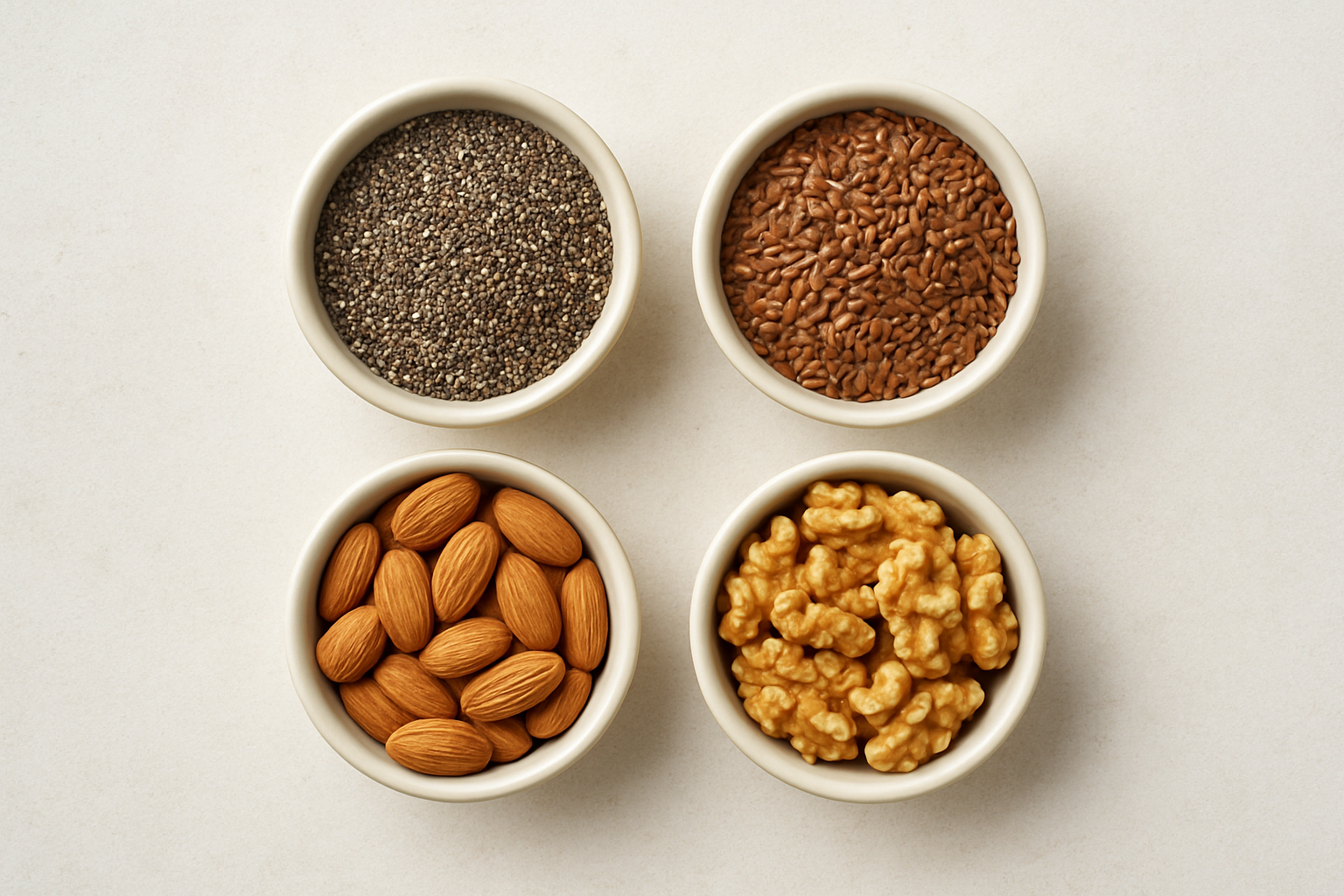
- Seeds & nuts: Flaxseeds, chia, and walnuts supply lignans and healthy fats for hormone metabolism.
- Whole grains: Oats, quinoa and brown rice help stabilize blood sugar.
- Berries & colorful vegetables: Antioxidants protect cells and can reduce oxidative stress on hormone pathways.
- Legumes: Lentils, chickpeas and beans offer fiber and plant-protein to support insulin balance.
Foods to Limit or Avoid
To keep hormones steady, minimize the following as much as possible:
- Refined sugar and sweetened drinks (cause insulin spikes).
- Highly processed packaged foods with trans fats and preservatives.
- Excessive caffeine and alcohol, which can disrupt sleep and liver function.
- Very low-calorie diets — under-eating can suppress thyroid and reproductive hormones.
For clinically reviewed guidance on nutrition and healthy eating, consult resources like Mayo Clinic – Nutrition and practical overviews on hormone-supportive foods at Healthline.
Sample 1-Day Meal Plan: Diet for Hormonal Health in Women (Easy & Practical)
This balanced example follows the principles above and is flexible to adapt:
| Meal | What to eat |
|---|---|
| Breakfast | Oat porridge with flaxseed, berries and a dollop of yogurt |
| Mid-morning snack | Handful of almonds and an apple |
| Lunch | Grilled salmon, quinoa, mixed greens with olive oil dressing |
| Afternoon snack | Carrot sticks with hummus |
| Dinner | Lentil stew with spinach and roasted sweet potato |
This sample day keeps blood sugar steady, delivers healthy fats, and provides fiber — all central to a good diet for hormonal health in women.

Lifestyle Habits That Boost Dietary Gains
Food alone helps a lot, but lifestyle multiplies the benefit. For a sustainable diet for hormonal health in women, pair eating with:
- Regular sleep: Aim for 7–9 hours — sleep underpins hormone repair and appetite regulation.
- Stress management: Practices like meditation, yoga, or breathing help lower cortisol which otherwise interferes with sex hormones.
- Strength & movement: Resistance training plus gentle cardio improves insulin sensitivity and body composition.
- Reduce exposure to endocrine disruptors: Use glass for food storage, avoid microwaving plastics, and choose natural personal-care products when possible.

When to Consider Supplements (and Where Diet May Not Be Enough)
Sometimes diet needs support. Common supplements that are often discussed alongside a diet for hormonal health in women include vitamin D, magnesium, omega-3 fish oils, and certain B-vitamins. Talk to a healthcare provider before starting supplements — especially if you have conditions like PCOS or thyroid disease. For supplement context tailored to India, you can read our supplements guide.
Practical Tips to Start Today
- Swap sugary snacks for fruit and nuts.
- Add a serving of leafy greens to two meals a day.
- Include protein at every meal to steady blood sugar.
- Try seed-based additions (flax/chia) daily for fiber and phytoestrogens.
FAQs — Diet for Hormonal Health in Women
How long until diet changes help my hormones?
Some people notice changes in energy and sleep within 2–4 weeks. More noticeable menstrual or fertility changes may take 2–3 cycles (2–3 months). Consistency matters.
Can diet alone fix PCOS or severe hormonal disorders?
Diet helps significantly with symptoms and metabolic features, but medical conditions like PCOS, thyroid disease, or adrenal disorders typically require medical assessment and often multi-pronged treatment.
Where can I learn more about hormone-friendly foods?
Trusted resources include Healthline and the Mayo Clinic. For practical meal tips, check our nutrition article Nutrition Tips for Women’s Fitness.
Wrapping Up
A sustainable diet for hormonal health in women is not about perfection — it’s about consistency with whole foods, healthy fats, lean proteins, fiber, and mindful lifestyle habits. Small, steady changes often deliver the biggest results. If symptoms are severe or sudden, consult a healthcare professional for personalized
care.
VNL… not too familiar with it. Probably new, right? I’ll give it a look. Let’s check it out. More info on this page: vnl